Lab Grown vs Natural Diamonds: The Complete Honest Guide
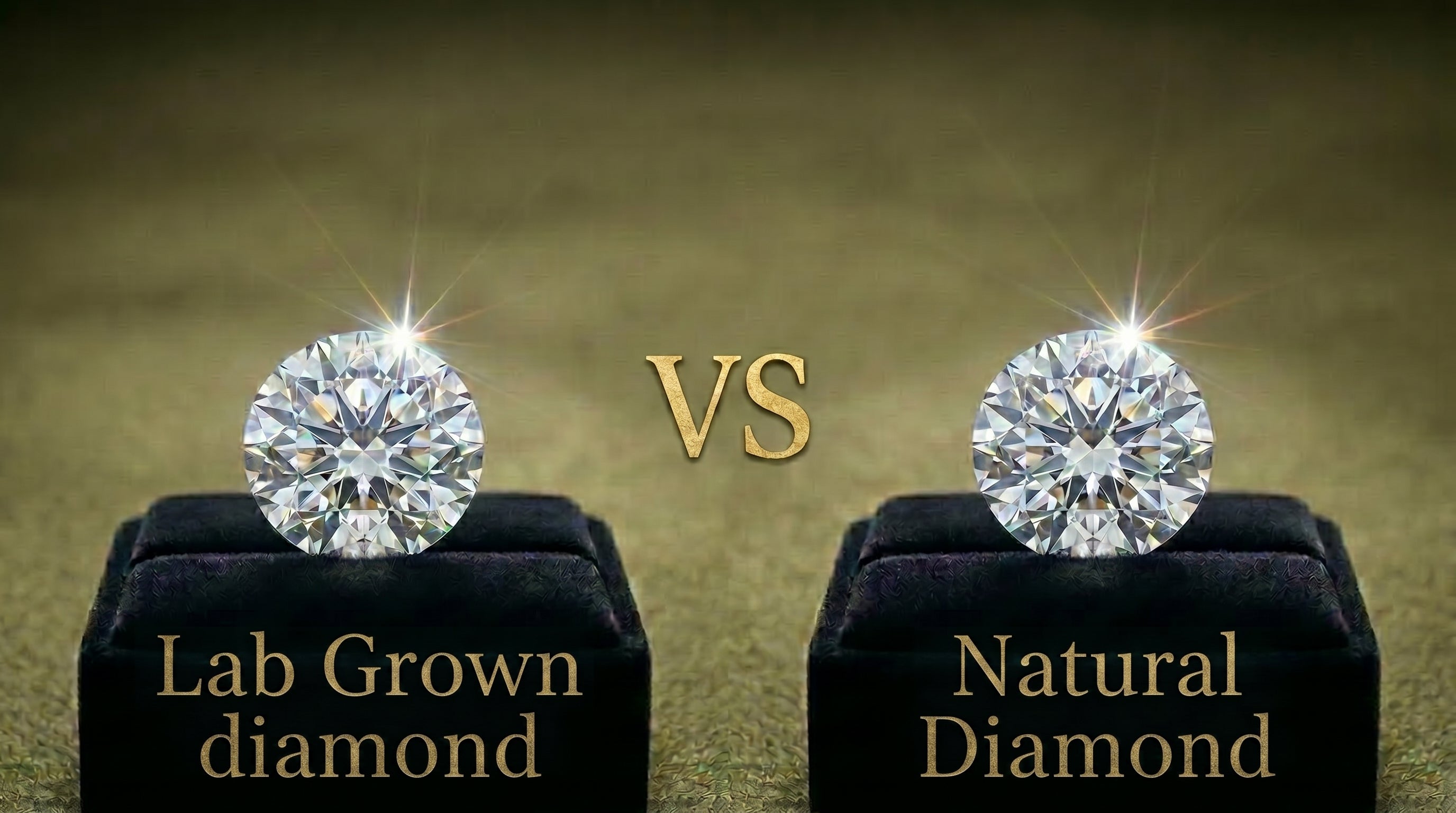
The conversation around diamonds has shifted so much in the last 2 decades. What used to be a simple decision, buying a lab grown or natural diamond, is no longer a simple decision. Both are real diamonds, both look exactly the same, and both last a lifetime. But the differences do matter in terms of price, environmental effect, and long-term perception.
We are going to cover everything that you need to know regarding lab grown diamonds vs natural diamonds. We have covered almost all of the things in this guide, so you can make a fully informed decision.
Lab Grown Diamond vs Natural Diamond: The Key Differences
The frequent question is: “Which is better?” The answer isn’t simple. Quality isn’t what sets them apart, they’re graded equally. Where the real differences work their way up is in three areas:
-
How and where the diamond was formed (Origin)
-
How much are you paying for comparable quality (Price)
-
The perception about the diamond (Cultural and economic)
Considering these factors in mind before making a decision helps you make a choice that aligns with your priorities.
What Are Lab Grown Diamonds?
Lab Grown diamond are real diamonds. They are just created in a controlled laboratory environment. By employing techniques like HPHT (High Pressure High Temperature) and CVD (Chemical Vapor Deposition).
Key points:
-
Same chemical and physical properties as natural diamonds
-
Can be created faster in a controlled environment
-
30–70% cheaper than natural diamonds on Average
Lab grown diamonds aren’t synthetic or fake, they’re real, just made differently.
What Are Natural Diamonds?
Natural diamonds are formed deep within the Earth over millions or even billions of years, shaped by immense heat and pressure. After being unearthed, they go through a long journey of cutting, polishing, and passing through a complex supply chain before reaching their final destination.
Key points:
-
Type of rare, contribute to rarity
-
Price driven by mining and finite supply
-
Traditionally associated with engagement rings, talismans, heirlooms, and the luxury markets
However, at the same time, so much desire still rests on natural diamonds.
Are Lab Grown Diamonds Real?
Yes they are real. People believe lab grown means fake, and that is why it’s a frequent question.
-
Chemically identical to natural diamonds
-
Identical hardness and sparkle
-
Differentiating the origin requires professional gemological tools.
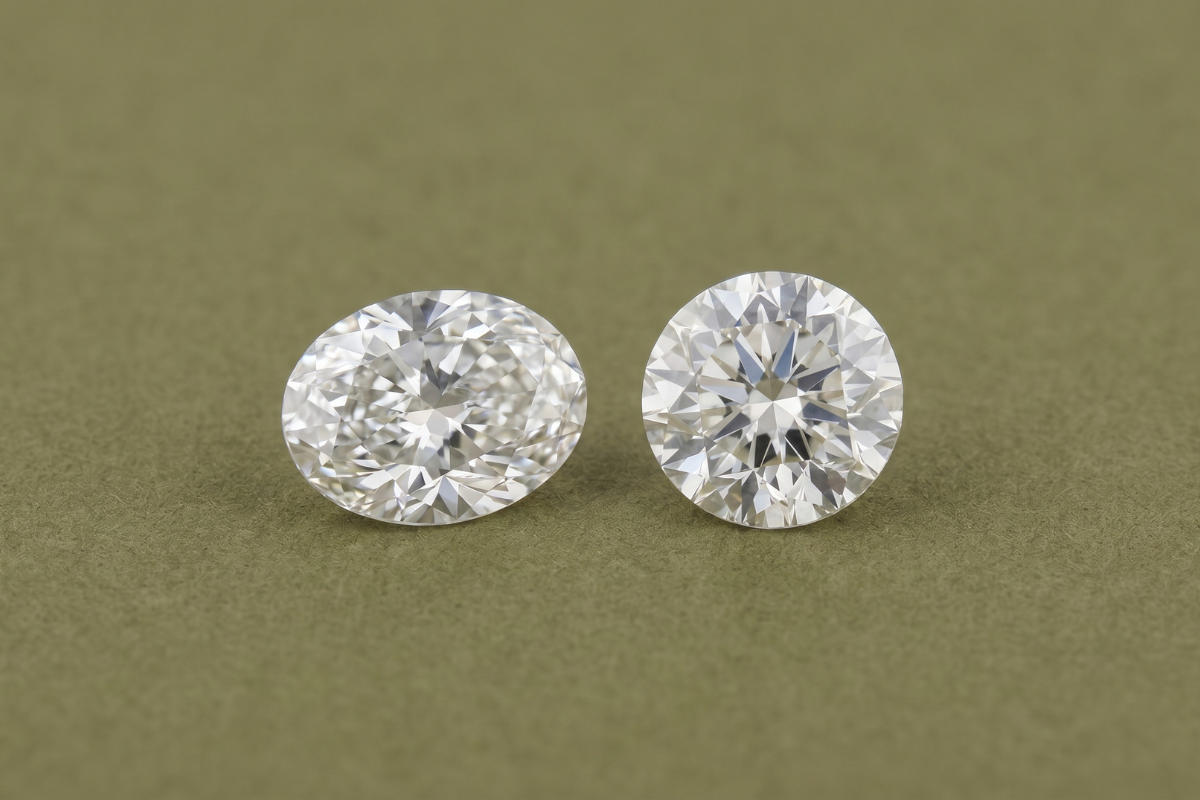
Lab-grown diamonds are indistinguishable from naturally formed diamonds to the naked eye.
Natural Diamonds vs Lab Grown Diamonds: A Quick Comparison
While appearance is identical, the differences in origin, pricing, and market perception are significant.
|
Feature |
Lab-Grown Diamonds |
Natural Diamonds |
|
Origin |
Created in a lab |
Formed naturally underground |
|
Price |
30–70% lower |
Higher due to mining and supply chain |
|
Appearance |
Identical |
Identical |
|
Sparkle |
Identical |
Identical |
|
Supply |
Scalable |
Limited |
|
Resale Value |
Lower |
Partially retained |
|
Environmental Impact |
No mining required |
Mining required, higher impact |
Can Someone Easily Know the Difference Between Lab Grown and Natural Diamonds?
In day-to-day use, simply no because it requires expertise and equipment. Both types of diamonds are graded on the 4Cs: cut, color, clarity, and carat.
It even takes professional jewelers' specialized equipment to know a lab-grown diamond from one that comes straight from nature. For buyers selecting diamond engagement rings or other jewelry, the visual experience is identical.
Myths About Lab Grown Diamonds
Myth 1: Lab diamonds are fake
Lab-grown diamonds are real diamonds, chemically, physically, and optically identical to mined stones. The F.T.C. made this clear in 2018. The only relevant distinction is the place of origination, not authenticity.
Myth 2: You can tell by looking
Even trained gemologists with a loupe cannot visually separate a lab grown diamond from a natural diamond. Specialised spectroscopy equipment able to detect the absence of nitrogen is the only player that can reliably identify lab grown.
Myth 3: Lab diamonds are always flawless
Lab grown diamonds can still possess inclusions, colour tints, and flaws, especially HPHT diamonds. They are graded using the same 4Cs scale as natural diamonds and vary in quality just as much.
Myth 4: Lab diamonds are always more eco-friendly
Partially false. Lab diamonds do not have the same mining impact but use a lot of electricity. If that electricity comes from coal, the eco-trade is not simple. Renewable-energy production changes the equation dramatically.
Myth 5: Gold and diamonds share similar values
Of course, even natural diamonds only resell for a fraction of their original cost, typically 40% to 60%. They are not an investment vehicle. The "diamonds are forever" story was a De Beers, not a financial truth.
Myth 6: Lab diamonds are equivalent to cubic zirconia or moissanite
Cubic zirconia is zirconium dioxide. Moissanite is silicon carbide. Lab grown diamonds are pure carbon, the same substance as natural diamonds. Conflating them is a This is a category error that typically arises from jewelers trying to defend their margin on natural stones.
Do Lab Grown Diamonds Hold Value?
They are beautiful and durable, but lab-grown diamonds simply aren’t capable of holding value like natural diamonds. Production is the process of facilitating a price fall. Limited resale market. Buyers should not consider lab-grown diamonds as investment items.
Natural diamonds, meanwhile, precious by conventional standards, also react to market demand. Neither format is a certainty of an eventual profit, both are best purchased for In personal value, not as money.
Ethics and Environmental Considerations
If it were today, ethics would play an even bigger role in buying diamonds.
Lab-grown diamonds:
-
Avoidance of mining and land disturbance
-
Reduced carbon footprint (dependent on the source of energy)
Natural diamonds:
-
Need for mining that can disrupt land and population in the region
-
Ethical products where practices differ regionally
Lab-created diamonds are considered the more sustainable option, particularly for eco-friendly consumers.
Lab-Grown Diamond Certification
While lab and natural diamonds are both certified for quality assurance to verify authenticity. Trusted grading labs include:
-
IGI (International Gemological Institute)
-
GIA (Gemological Institute of America)
Certification verifies that the diamond’s cut (how well it has been shaped), clarity (lack of blemishes), color, and carat weight have been accurately described.
NATURAL DIAMONDS VS LAB-GROWN DIAMONDS: PROS & CONS
Lab-Grown Diamonds
Pros:
-
More affordable
-
Identical appearance
-
Greater availability
Cons:
-
Lower resale value
-
Declining market prices
-
Less traditional perception
Natural Diamonds
Pros:
-
Strong cultural and historical significance
-
Perceived rarity
-
More stable resale demand
Cons:
-
Higher cost
-
Ethical concerns remain
-
Price is impacted by legacy market structures
The debate between lab grown and natural diamonds isn’t a matter of authenticity anymore, they are both real. The choice is really one of priorities: price, means, and sustainability. They are all beautiful, durable, and sentimental. Knowing these differences mean you’ll be best able to make a decision suited to your priorities.
FAQs
Are lab diamonds as good as real diamonds?
Yes, lab-grown diamonds are real diamonds with identical properties to natural ones.
Which diamond is best, natural or lab grown?
Neither is objectively best, it depends on your priorities, like budget, tradition, and sustainability.
What are the disadvantages of lab-grown diamonds?
They have lower resale value, and prices tend to decline over time.
What is the 4 diamond rule?
It refers to the 4Cs: cut, color, clarity, and carat used to grade diamond quality.
Who owns 90% of the world's diamonds?
No single entity owns 90%, but De Beers historically controlled a large share of the market.
Where Lab-Grown Diamonds Are Headed
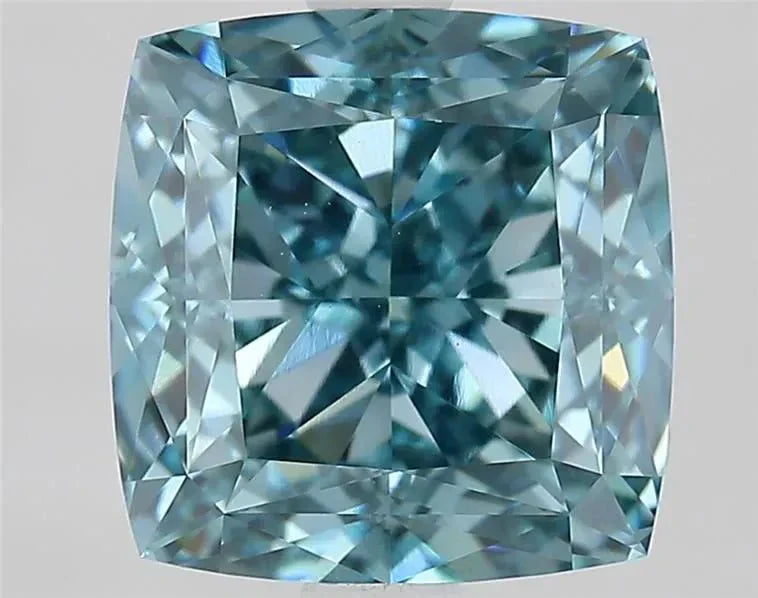
The technology has moved quickly enough that lab-grown stones are no longer positioned as the alternative. As growers refine the process, the range of available sizes, shapes, and even fancy colors keeps widening, and precision that was difficult a decade ago is now routine.
The shift on the buyer's side has been just as pronounced. Sustainability, traceability, and honest pricing now weigh heavily in the decision, and for many people a lab-grown stone answers all three at once. Expect more jewelers to build their collections around them rather than treat them as a secondary option.
None of which makes a natural diamond the wrong choice. It makes it a different one, chosen for provenance and rarity rather than for size on the finger. Both are real diamonds. The only real question is which story you want to wear.
Convinced? So are we.
Lab diamonds are how we do things at Jewelry by Cleo — every stone personally vetted by Gabrielle for the cut, ratio, and brightness a certificate can't fully capture. If you're ready to explore what's possible, the fastest route is simply to tell her what you have in mind: