The JbC Diamond Sourcing Cheat Sheet (2026 Edition)
While a grading report (GIA/IGI) provides the technical foundation, it doesn't tell the whole story of a diamond's "soul". Here is what we look for during our rigorous "tweezer video" inspections.
1. Beyond the 4Cs: Technical Purity
We look for subtle markers that machines often miss but the human eye can feel.
-
Transparency & Internal Strain: Some lab diamonds can have a "hazy" or "milky" appearance due to internal strain patterns from the growth process. We only select stones with high Optical Purity that transmit light perfectly.
-
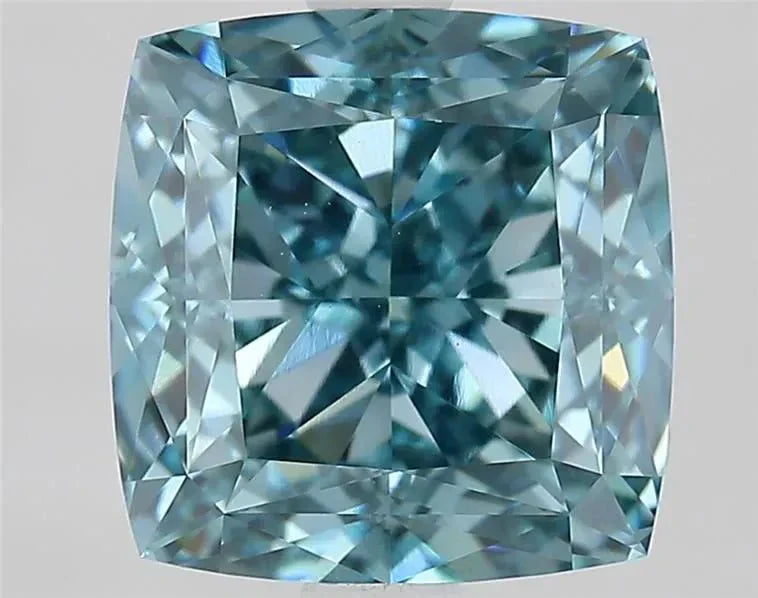
Hue & Tone Check: We avoid "muddy" brownish or grayish tints often found in lower-quality CVD growth. We prioritize Type IIa diamonds, which are the purest chemical form of diamond.
-
Blue Nuance: Some HPHT-grown stones can exhibit a faint blue tint. We specifically screen these out to ensure your "D-F" grade stone looks icy-white, not blue.
2. The "Tweezer Video" Vital Signs
Videos are essential because diamonds are made to be seen in motion.
-
Virtual Facet Patterns: We observe the "Virtual Facets" (the reflections you actually see) as the stone tilts. We look for a harmonious visual flow across the entire stone.
-
Light Leakage (Windowing): We check for "windows" or "dead spots" where light falls straight through the stone rather than reflecting back to your eye.
-
Scintillation Crispness: We ensure the "flashes" of light are crisp and distinct, not blurry or muted.
3. Specialty Cuts: Antique OMC & OEC
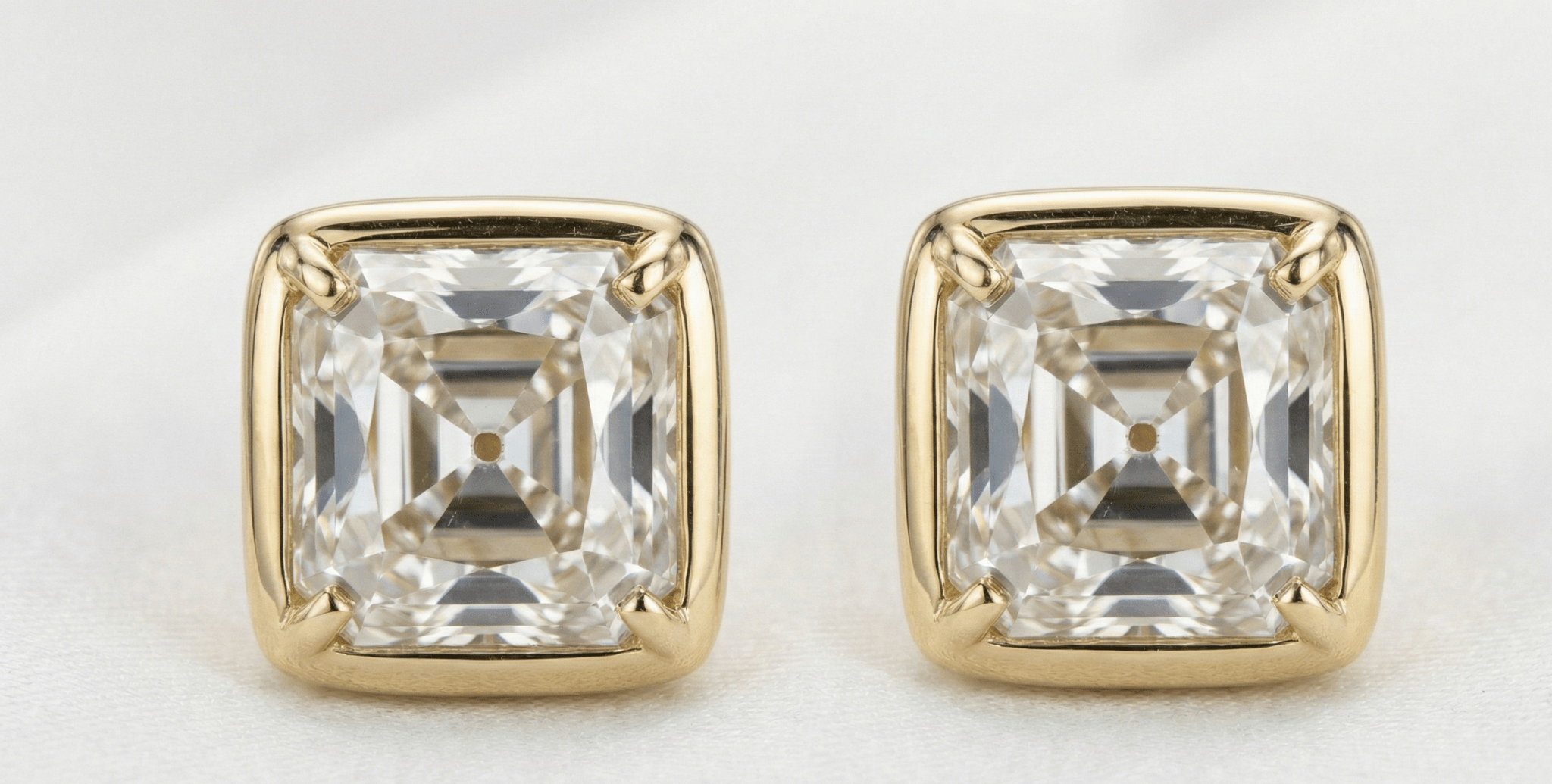
Since these were originally cut by hand, we look for "charming" proportions rather than "perfect" ones.
-
The Culet: For Old European Cuts (OEC), we look for a slightly large, open culet (the bottom facet) that creates that iconic "checkerboard" pattern.
-
Crown Height & Table Size: We prioritize High Crowns and Small Tables (under 53%), which allow for the "chunky" flashes of light these stones are famous for.
-
The "Kozibe" Effect: In some antique cuts, you can see the reflection of the culet in the crown facets—a hallmark of authentic-style craftsmanship.
4. The Fancy Shape "Danger Zones"
For Ovals, Pears, and Marquise shapes, we are obsessed with symmetry and light performance.
-
The Bow-Tie Assessment: Every elongated stone has a bow-tie to some degree. We reject stones with an "intense" black bow-tie that obstructs the center's sparkle, selecting only those where the bow-tie adds depth without "darkness".
-
Length-to-Width Ratio: We source stones that hit the "Goldilocks" ratio (e.g., 1.30–1.50 for Ovals) to ensure the stone elongates the finger without looking too narrow.
Why Static Images Aren't Enough
A static "stock photo" or a 360° rotating render cannot show you how a diamond reacts to the shadows of your head or the movement of your hand. Our Tweezer Video Guarantee ensures you see the stone's real-world performance before it leaves our atelier.