The Oval Lab Diamond Buying Guide — Jewelry by Cleo
Ratios, settings, bowties, and everything else you need to know — from someone who sources ovals for clients every week.
Why Oval?
Oval diamonds are having a moment — and for good reason. But they're also the easiest shape to get wrong.
Oval has overtaken round brilliant as the most searched diamond shape for engagement rings — and it's not a trend, it's a shift. Here's why buyers are choosing it:
- The finger-lengthening effect. The elongated shape creates the optical illusion of longer, slimmer fingers. This is one of the most consistent pieces of feedback I hear from clients after they start wearing their ring.
- More spread per carat. An oval faces up larger than a round of the same carat weight — typically 10–15% more surface area. More visual impact for the same budget.
- Warmth and softness. Unlike the geometric precision of an emerald or the sharp points of a marquise, the oval has a softness to it. Timeless without being boring.
The Ratio Question
The length-to-width ratio is the single most important specification to nail. It determines the entire look of the stone — whether it reads as classic and elongated, or short and round-adjacent.
The math is simple: divide length by width. A 10mm × 7mm oval has a ratio of 1.43.
The Bowtie Effect
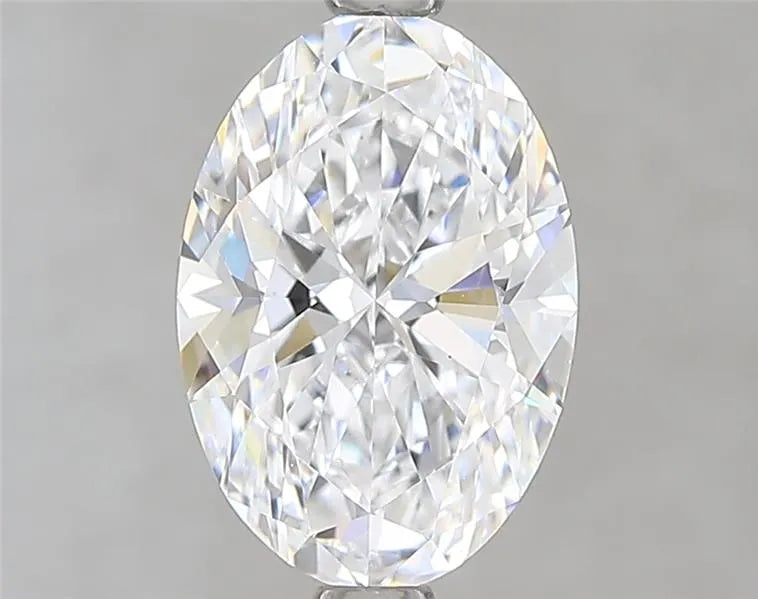
Every oval diamond has some degree of bowtie — a dark, bow-tie-shaped shadow across the center. It's a natural result of how light moves through the elongated facet structure.
The question isn't whether a bowtie exists. It's how prominent it is — and whether it's distracting.
A faint bowtie is normal and often adds depth. A heavy bowtie that dominates the stone is a dealbreaker. I won't source a stone with a strong, dark bowtie regardless of how attractive the other specs are.
Best Settings for Ovals
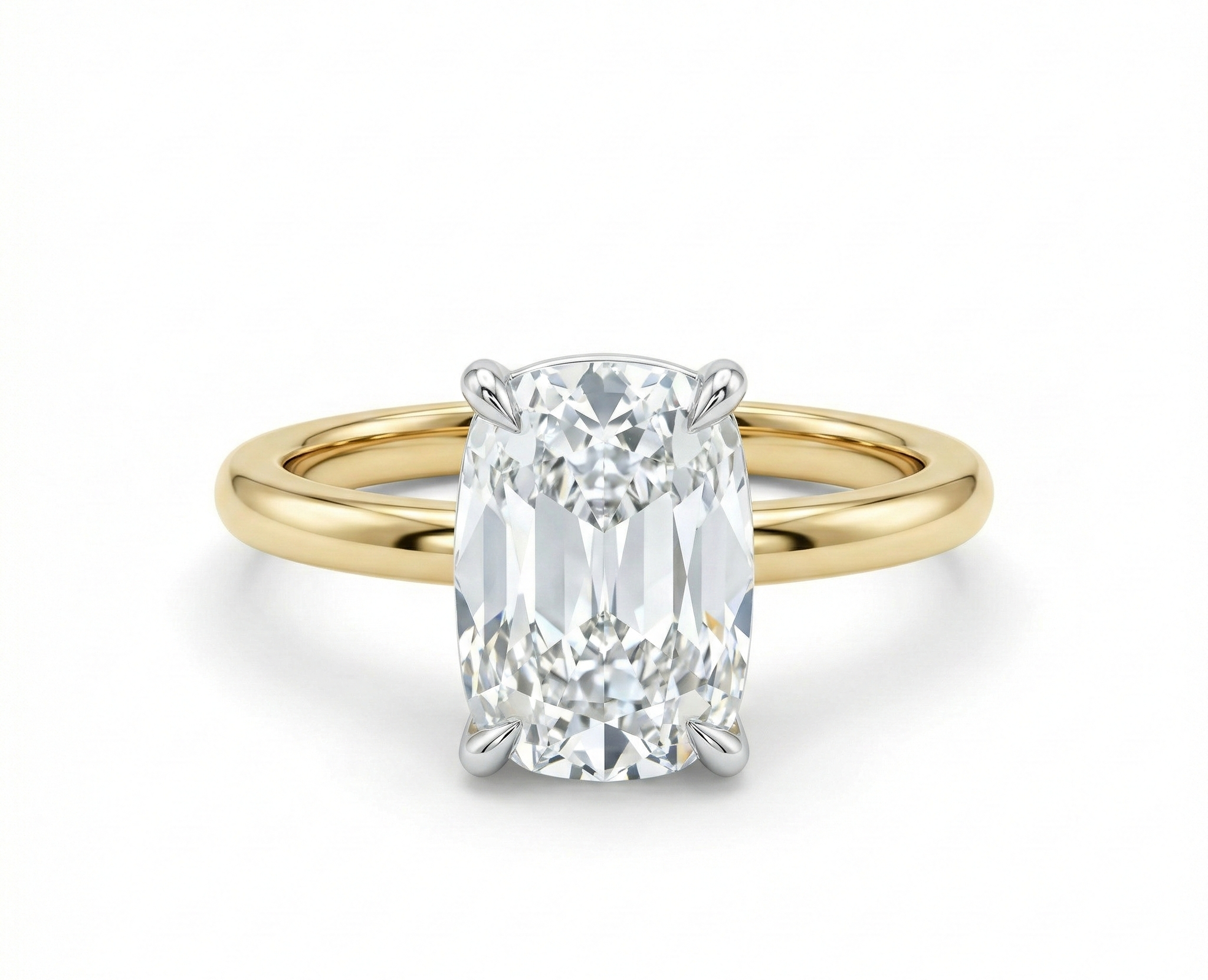
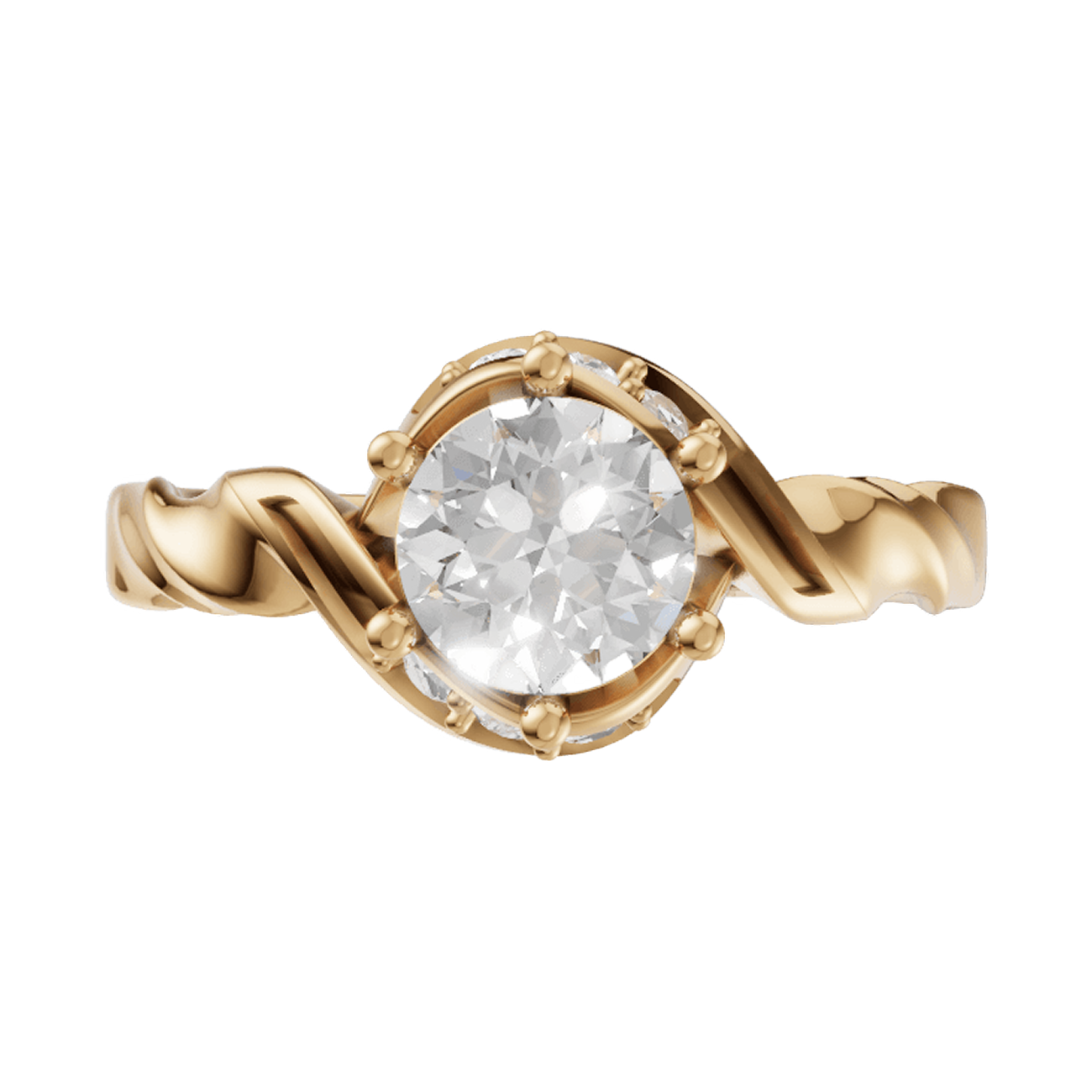
The setting can make or break an oval. Here's how I think through the main options:
Lab vs Natural for Ovals
For any shape, lab-grown diamonds offer the same physical, optical, and chemical properties as natural diamonds — at a fraction of the price. But for ovals, the value proposition is even stronger.
Oval diamonds are already cut to maximize spread. Pair that with lab pricing and you can access stones in the 2ct+ range for budgets that would buy a 1ct natural. The spread advantage of the shape compounds with the size advantage of lab pricing.
I source both natural and lab diamonds through the Diamond Vault and always walk clients through the honest tradeoffs. For ovals, the lab argument is compelling for almost everyone.
What to Avoid
The oval buyer's red flag list — things I see go wrong repeatedly: