The Complete Engagement Ring Buying Guide (2026)
A bespoke jeweler's walkthrough of budget, diamonds, settings, and getting it right the first time.
Buying an engagement ring can feel like the highest-stakes purchase you've never made before — meaningful, expensive, and full of unfamiliar vocabulary. The good news: once you understand a handful of fundamentals, the choices get a lot clearer. This engagement ring buying guide walks you through everything that actually matters, from setting a realistic budget to choosing between lab-grown and natural diamonds, picking a setting, and deciding whether a custom design is right for you.
At Jewelry by Cleo, we design bespoke rings for people who want something made specifically for them — not pulled from a case. So this guide is written the way we'd talk you through it in a consultation: honestly, and without the pressure.
How Much Should You Spend on an Engagement Ring?
Let's start with the number, because it's usually what's keeping you up at night.
You've probably heard the “two to three months' salary” rule. It's worth knowing that this guideline didn't come from any tradition — it originated in mid-century diamond advertising. There is no correct percentage of your income to spend on a ring. The right budget is the one that lets you buy something beautiful without starting your engagement in debt.
A few things that genuinely help:
- Decide your number before you shop. Walking in with a firm ceiling protects you from the upsell.
- Spend where it shows. A well-cut center stone and a quality setting do more for a ring's beauty than chasing the highest clarity grade you can technically afford.
- Remember the full cost. Sizing, insurance, and a wedding band are part of the picture too.
When you work with a custom jeweler, your budget becomes the starting point of the design rather than a wall you keep bumping into. We build the ring around what you want to spend, not the other way around.
Understanding the 4 Cs of Diamonds
Diamond quality is graded on four characteristics — the 4 Cs — established by the Gemological Institute of America (GIA). Understanding them is the single best way to spend smart.
| The 4 Cs | What it measures | Where to prioritize |
|---|---|---|
| Cut | How well the diamond is shaped and faceted to reflect light | Most important — don't compromise here |
| Color | How colorless the diamond is (D–Z scale) | Near-colorless (G–H) looks white to the eye |
| Clarity | Internal and surface flaws (inclusions) | “Eye-clean” matters more than a perfect grade |
| Carat | The diamond's weight, not its size | A great cut can make a stone look larger |
Cut: where your money works hardest
Cut is the C that controls sparkle. A poorly cut stone looks dull even with flawless color and clarity, while an excellent cut makes a diamond come alive. If you remember one thing from this engagement ring buying guide, make it this: prioritize cut.
Color and clarity: spend to the eye, not the chart
Most people can't see the difference between a colorless (D) diamond and a near-colorless (G or H) one once it's set in a ring — but the price difference is significant. The same logic applies to clarity. An “eye-clean” stone, where no inclusions are visible without magnification, looks identical to a flawless one in everyday life and costs far less.
Carat: the one everyone asks about
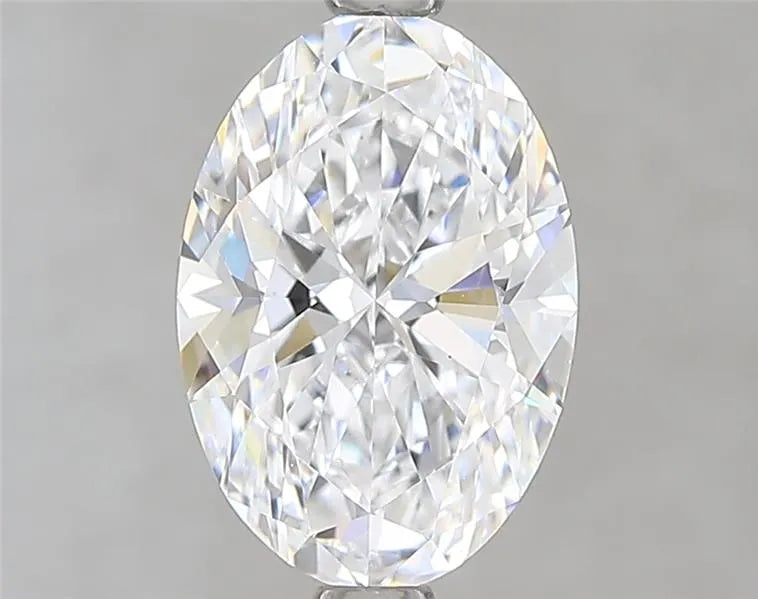
Carat is weight, not diameter. Because cut affects how large a stone appears, a beautifully cut one-carat diamond can look bigger than a poorly cut larger one. Shape matters too — elongated cuts like oval, marquise, and emerald tend to look larger than round stones of the same weight.
Lab-Grown vs. Natural Diamonds: Which Is Right for You?
This is one of the most common questions we hear, and there's no universally correct answer — only the one that fits your values and budget.
Natural diamonds formed over billions of years deep in the earth. They carry a sense of rarity and history, and they hold long-standing resale and heirloom expectations.
Lab-grown diamonds are chemically, physically, and optically identical to natural ones — they are real diamonds, not simulants. They're created in weeks rather than eons, typically cost 40–70% less than comparable natural stones, and offer a traceable origin.
For many of our clients, lab-grown means a noticeably larger or higher-quality stone within the same budget. Others want the natural origin and are happy to size accordingly. We offer both, certified, so you can compare them side by side and decide what feels right. Neither choice is wrong.
Choosing a Setting and Metal
The setting is the personality of the ring. A few of the most popular styles:
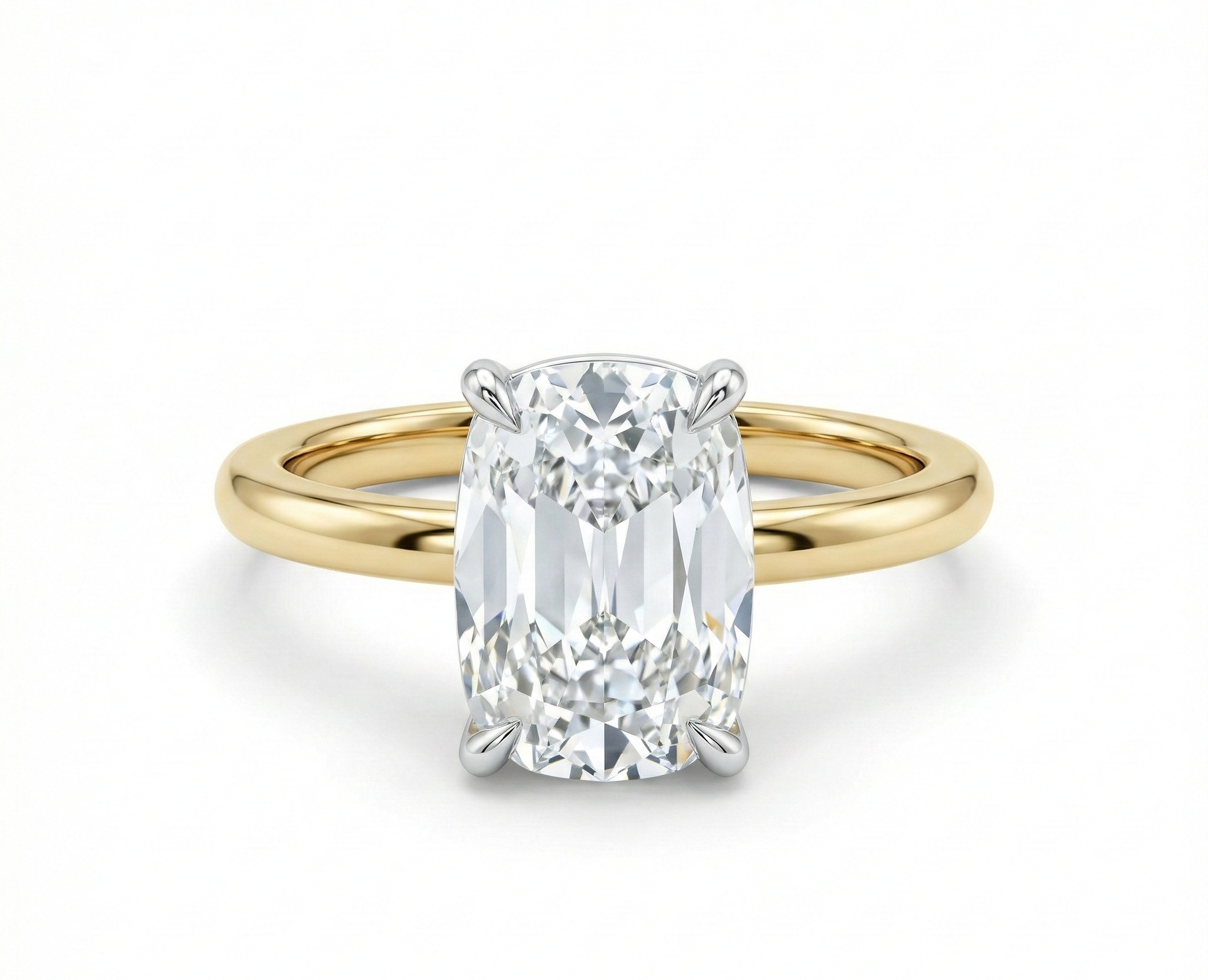
- Solitaire — a single center stone on a clean band. Timeless and lets the diamond speak for itself.
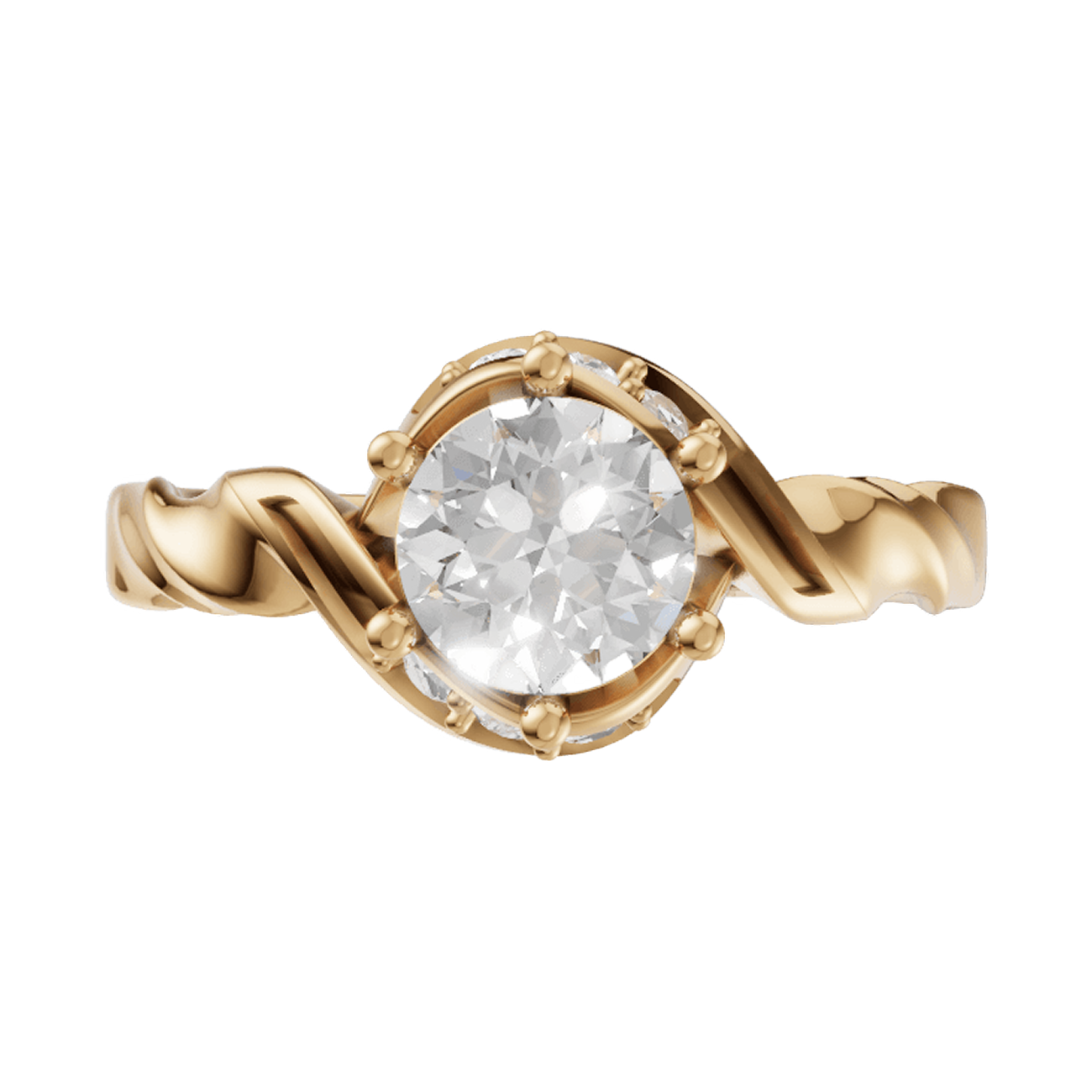
- Halo — smaller diamonds encircling the center stone, adding sparkle and apparent size.
- Pavé — tiny diamonds set along the band for extra brilliance.
- Three-stone — a center stone flanked by two others, often symbolizing past, present, and future.
- Bezel — metal wrapping the stone's edge; modern, secure, and great for active lifestyles.
For metal, the main choices are platinum (durable, naturally white, hypoallergenic), white gold (a brighter white at a lower price, with periodic re-plating), yellow gold (warm and classic, having a real resurgence), and rose gold (romantic and distinctive). Consider what your partner already wears — matching their everyday jewelry is a reliable clue to their taste.
Why Consider a Custom Engagement Ring
A custom, or bespoke, engagement ring is designed from scratch around your partner and your budget. Here's why so many people choose it over a ready-made piece:
- It's genuinely one of a kind. No one else will have the same ring.
- You control every detail — stone, setting, metal, and proportions — without paying for features you don't want.
- It's often more affordable than you'd expect, because you're not paying retail markup on a finished design.
- You can incorporate meaning, from a family heirloom stone to a hidden detail only the two of you know about.
The process is more collaborative and far less intimidating than people assume. At Jewelry by Cleo, we guide you through it step by step — and because our pieces are American-made, you get craftsmanship and accountability at every stage.
Ring Size and Timeline
Two practical details that trip people up:
Sizing. If it's a surprise, borrow a ring she already wears on that finger, or ask a friend or family member to find out discreetly. Most rings can be resized after the fact, but starting close saves time.
Timeline. A custom ring typically takes a few weeks from design to delivery, sometimes longer for intricate work or sourcing a specific stone. If you have a proposal date in mind, start early — a rushed timeline limits your options.
Engagement Ring Buying Guide: Frequently Asked Questions
How much should I spend on an engagement ring?
There is no required amount. Set a budget you're comfortable with, prioritize cut, and work with a jeweler who designs to your number rather than pushing you past it.
Are lab-grown diamonds real diamonds?
Yes. Lab-grown diamonds are identical to natural diamonds in chemical and physical structure. The difference is origin and price, not authenticity.
What is the most important of the 4 Cs?
Cut. It has the biggest impact on a diamond's sparkle, and a strong cut can make a stone appear larger and brighter than its grades suggest.
How long does it take to get a custom engagement ring?
Usually a few weeks, depending on complexity and stone sourcing. Start early if you have a specific proposal date.
Is a custom ring more expensive than buying one in a store?
Not necessarily — often the opposite. Custom design lets you put your budget into the parts that matter and skip retail markup on a finished piece.
Ready to Design the One?
A great engagement ring isn't about the biggest stone or the highest grades — it's about a beautiful, well-made ring that feels like your person. Now that you understand budget, the 4 Cs, your diamond options, and settings, you're equipped to make a confident choice.
If you'd like a ring made specifically for you, we'd love to help. Start your custom ring design with a no-pressure consultation, or Have a stone sourced for you to find the perfect center stone. Every piece is bespoke, certified, and American-made — designed around you, from the first sketch to the final polish.